Above-Ground, Semi-Recessed or In-Ground: Planning the Pool-to-Patio Connection
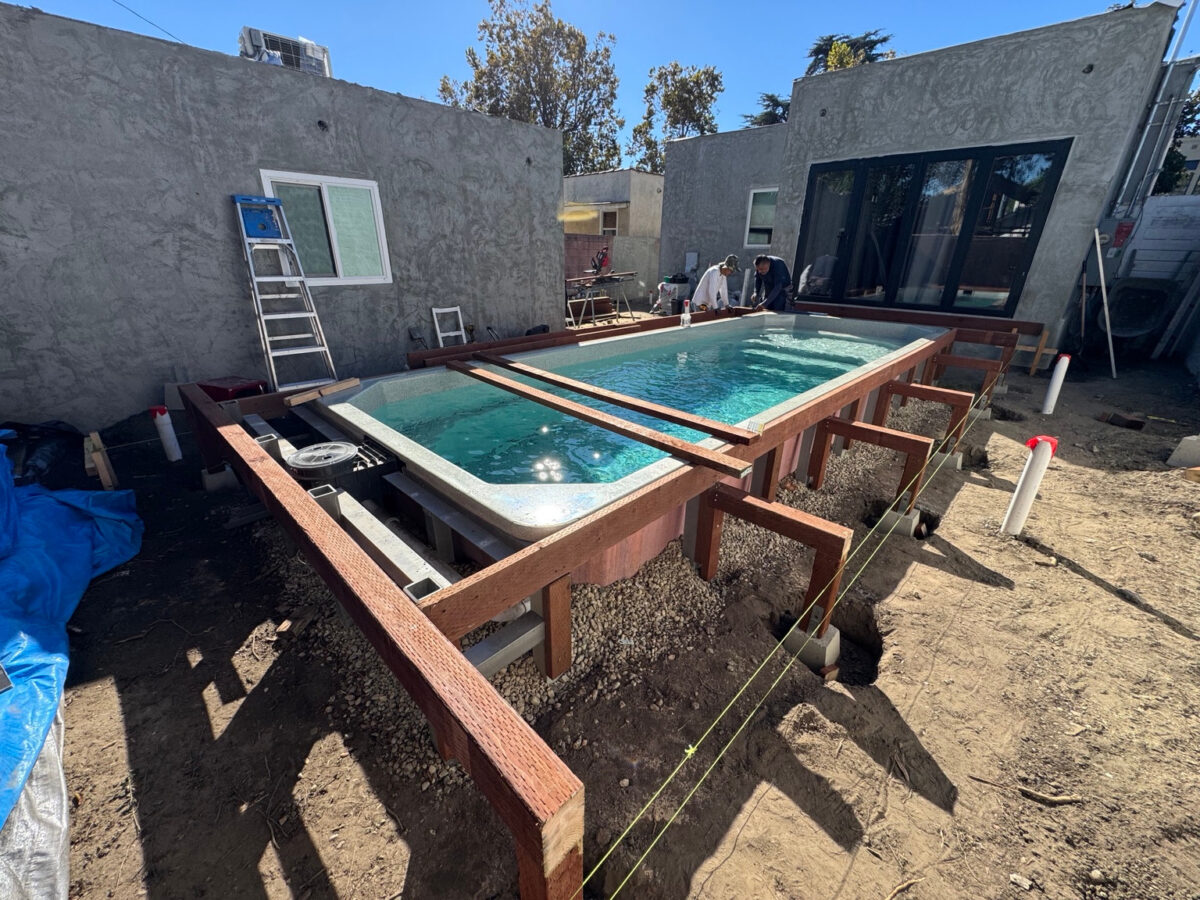
A quick morning dip, a quiet place to read and a weekend lunch with friends ask different things of the space around a pool. Before choosing a surface, picture what you want to do there after you get out of the water.
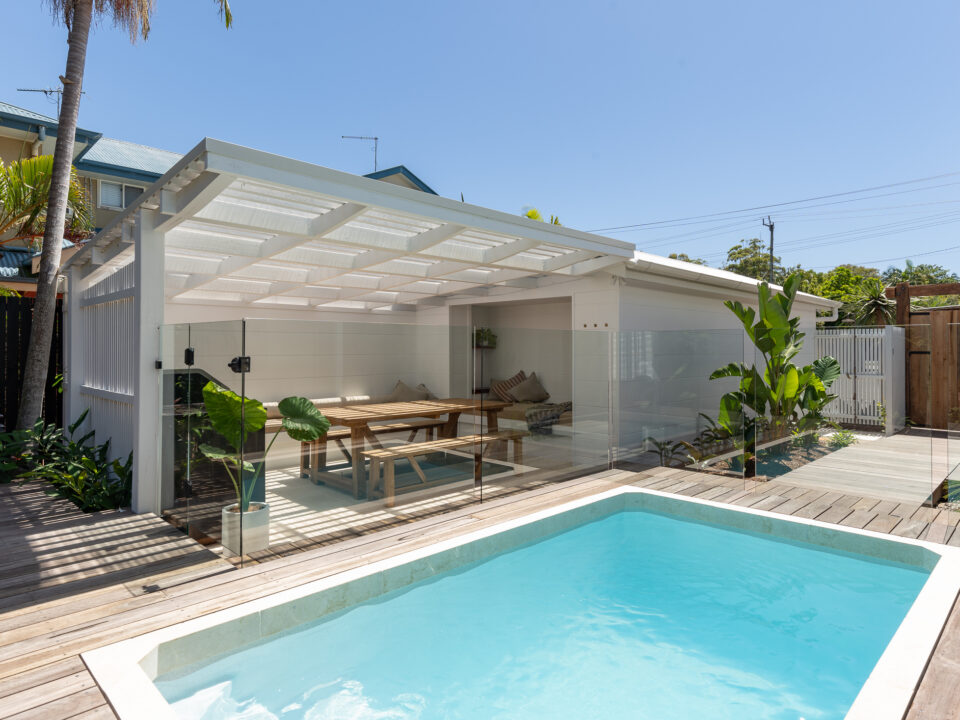
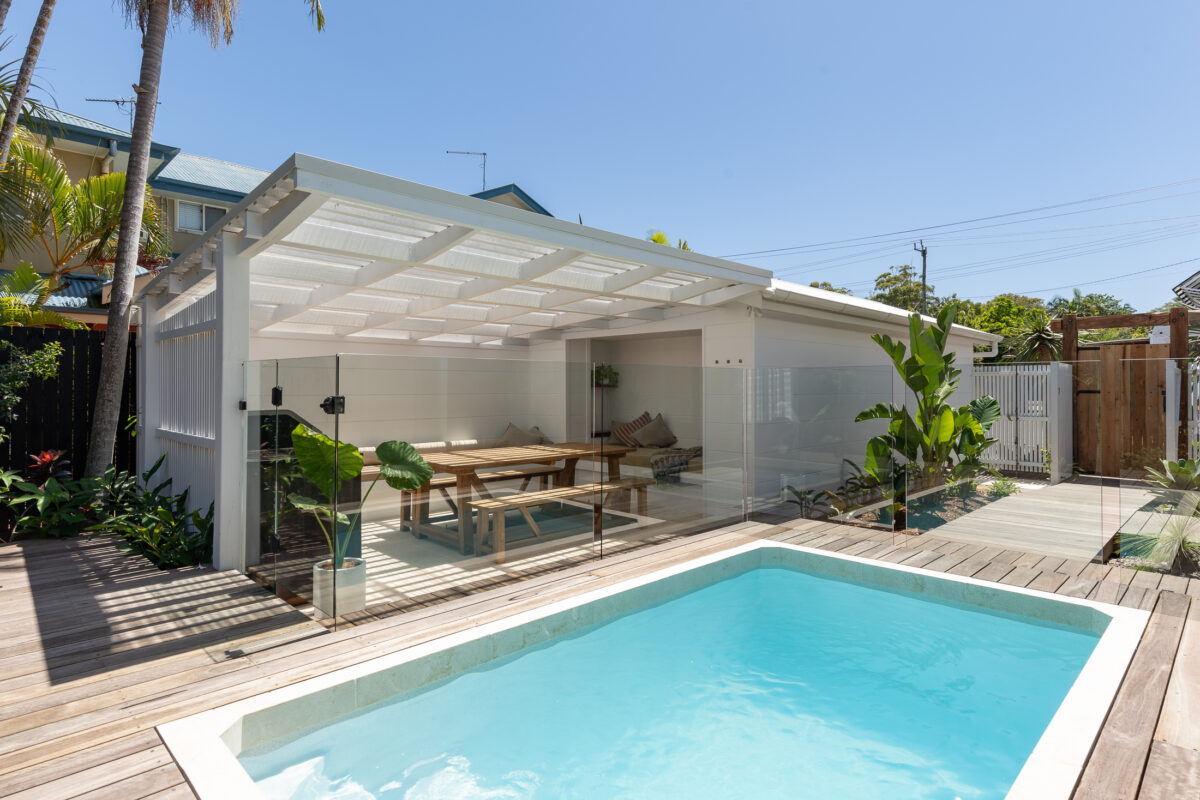
For Los Angeles and Westside homeowners comparing a plunge pool deck vs patio, that everyday routine is a useful starting point. A wood or composite deck and a paved patio can both create an inviting poolside area. The better fit depends on the specific materials, the site and how you plan to use and maintain the space.
First, clarify what “pool deck” means
People often call any surface surrounding a pool a pool deck, including concrete or pavers. Here, “deck” means a framed surface finished with boards, while “patio” means a paved outdoor surface. Those labels alone do not tell you how a finished installation will perform.
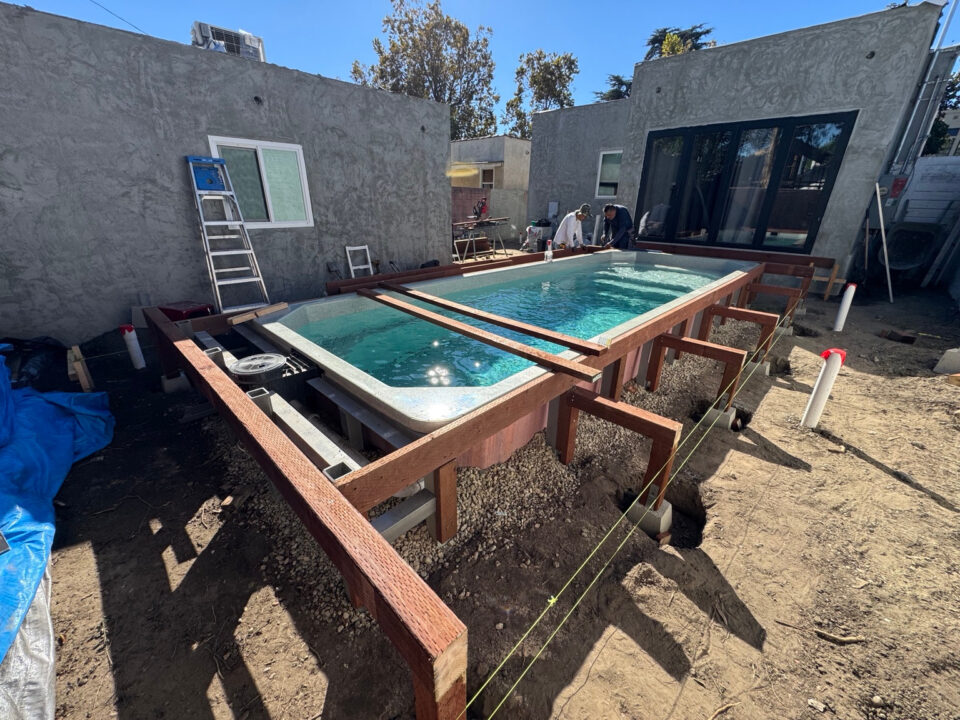
Ask to compare actual assemblies: the selected boards and supporting structure, or the selected paving and its base. If you are still choosing the pool’s height in the yard, our pool-to-patio planning guide addresses that separate decision.
Match the surroundings to your main activity
For a daily dip: prioritize a convenient place to leave a towel, set down sandals and dry off. Put the material samples and the proposed towel storage on the same plan. A beautiful lounge area across the yard may do little for a five-minute morning routine.
For long afternoons outside: start with the loungers you actually want. Check their full footprint when reclined, where a side table will sit and whether the shade reaches that spot at your usual pool time. Compare each surface in that setting rather than choosing from an isolated color swatch.
For meals and entertaining: test a chair and table on a representative sample area where possible. Notice how chair legs meet board gaps, paving joints or textured finishes. Ask how the chosen surface should be protected from furniture marks and cleaned after food spills.
Evaluate heat and wet-area suitability separately
A material’s appearance does not establish barefoot comfort. Trex explains that its decking can become hot in direct sun and that darker colors feel hotter. Review the manufacturer’s temperature guidance for the exact product under consideration, and include shade in the design discussion.
Compare samples outdoors at the time of day you expect to use the pool. This helps you assess color and texture in context, but it is not a substitute for product specifications or a professional review.
For both boards and paving, ask the supplier to confirm suitability for the intended poolside use, including the selected finish or sealer. Request relevant wet-surface performance information. Avoid treating a broad label such as “textured” or “pool-friendly” as a guarantee against slipping.
Choose a maintenance routine you will actually follow
Ask for the care instructions before approving a material. They can reveal practical differences that a showroom display cannot.
- Composite boards: care varies by product. For Transcend, Enhance and Select decking, Trex’s cleaning guidance calls for removing surface debris and using warm soapy water with a soft-bristle brush. It also addresses food spills and mineral deposits.
- Concrete pavers: Belgard recommends seasonal maintenance and cautions that power washing can expose surface aggregate. Ask which cleaning and sealing instructions apply to the paver and finish you select.
- Wood boards: request a written care plan for the particular species and finish, including inspection and any refinishing needs. Do not assume that instructions for a composite board apply to wood.
Consider who will do this work and where leaves, irrigation spray or outdoor meals may create extra cleaning. “Low maintenance” still deserves a specific explanation.
Make the final comparison concrete
Bring two realistic options to your design discussion, each with a named surface, furniture layout and care plan. Ask:
- Which option best supports our main poolside activity?
- What does the supplier say about wet use, heat and cleaning?
- How will water drain, and how will the installed surface be supported?
- How would a damaged board or paving unit be accessed and repaired?
- What installation details and site-specific checks remain unresolved?
You can also consider a board-finished lounge beside a paved dining area, provided the transition is deliberately designed. There is no need to choose one finish for every activity.
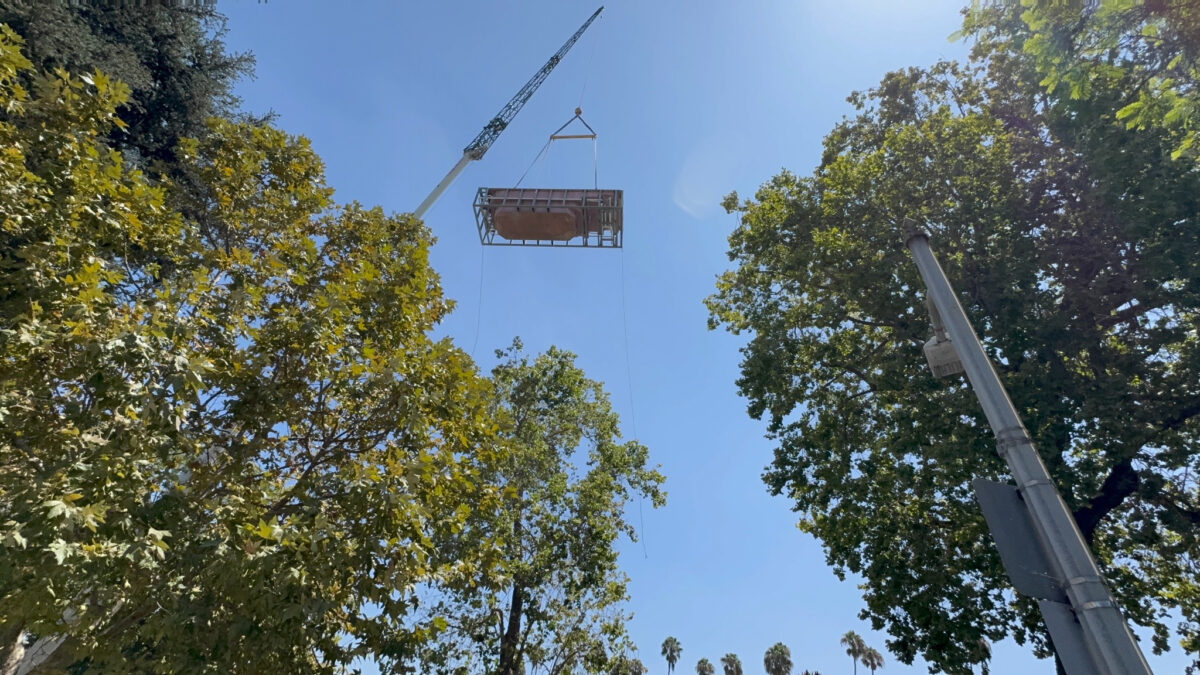
Explore Trustwise’s precast concrete plunge pool planning, then start your project with your city, yard photos and the two or three ways you most want to use the space. Those details make the deck-or-patio conversation more useful from the beginning.